What is an advantage of using blockchain technology? Discover the top benefits of blockchain, including security, transparency, and decentralization.
Introduction
Blockchain technology has revolutionized industries worldwide by offering enhanced security, transparency, and efficiency. From finance and healthcare to supply chain management and NFTs, blockchain is reshaping the digital economy. But what is an advantage of using blockchain technology, and why are businesses adopting it? This article will break down the top benefits of using blockchain technology, including decentralization, immutability, and security.
What is Blockchain Technology?
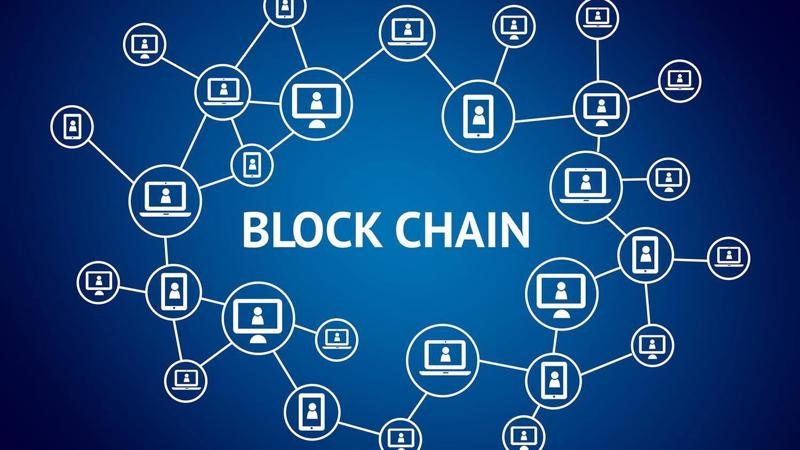
Blockchain technology is a decentralized, distributed ledger system that records transactions across multiple computers. It ensures transparency, security, and immutability by using cryptographic hashing and consensus mechanisms. Each transaction is grouped into a “block,” and once validated, it is added to a continuous chain of blocks, forming an unalterable digital ledger.

Key features of blockchain technology include:
- Decentralization: No single entity controls the network, reducing the risk of fraud and censorship.
- Immutability: Once a transaction is recorded, it cannot be altered, ensuring data integrity.
- Transparency: All transactions are publicly verifiable, increasing trust in the system.
- Smart Contracts: Automated agreements execute actions when predefined conditions are met.
So what is an advantage of using blockchain technology? Blockchain is widely used in industries such as finance, healthcare, supply chain management, and digital assets due to its ability to enhance security, efficiency, and trust.
What are the advantages of blockchain technology
Enhanced Security
Blockchain uses cryptographic hashing and decentralization to offer high security against fraud and cyberattacks. Unlike traditional databases, blockchain transactions are immutable and cannot be altered once recorded.
- Tamper-proof transactions reduce fraud risks.
- Decentralized structure prevents single points of failure.
- Smart contracts automate secure agreements.
- Public key cryptography ensures only authorized users access data.
- Distributed consensus mechanisms prevent fraudulent data alterations.
what-is-an-advantage-of-using-blockchain-technology-2.jp

Transparency & Trust
A major advantage of blockchain technology is increased transparency. Public blockchains allow all participants to view and verify transactions in real time.
- Trustless transactions eliminate the need for intermediaries.
- Auditable records improve accountability.
- Permissioned blockchains offer controlled transparency for businesses.
- Supply chain tracking ensures authenticity in product origins.
- Real-time verification enables greater confidence in financial transactions.
Decentralization & Reduced Intermediaries
Traditional financial systems rely on banks and third parties. Blockchain eliminates the need for these intermediaries, leading to lower costs and increased efficiency.
- Peer-to-peer transactions reduce reliance on banks.
- Decentralized finance (DeFi) enables borderless banking.
- Cross-border payments become faster and cheaper.
- Self-sovereign identity allows individuals to control their personal data.
- Increased financial inclusion by granting access to banking services for unbanked populations.
Efficiency & Speed
Blockchain streamlines transactions, making them faster and more efficient compared to traditional banking or supply chain processes.
- Instant settlements vs. traditional banking delays.
- 24/7 operation eliminates downtime.
- Automated smart contracts reduce paperwork and errors.
- Reduced reconciliation time in financial transactions.
- Optimized record-keeping eliminates duplication and inconsistencies.
Improved Traceability & Supply Chain Management
For industries like logistics and manufacturing, blockchain provides end-to-end visibility of supply chains.
- Reduces counterfeiting through product authentication.
- Enhances food safety by tracking contamination sources.
- Increases efficiency in tracking raw materials and finished products.
- Improves regulatory compliance by providing verifiable supply chain data.
- Reduces fraud in high-value goods markets such as luxury fashion and pharmaceuticals.
What Are the Three Advantages of Using Blockchain Technology?
What is an advantage of using blockchain technology? Blockchain technology offers a wide range of benefits, but three key advantages stand out: security, transparency, and efficiency.
Unparalleled Security
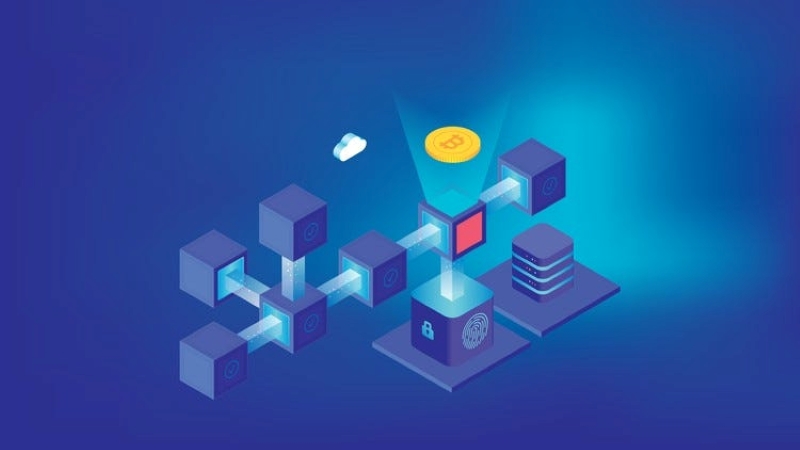
Security is one of the most compelling benefits of blockchain technology. Unlike centralized systems that are vulnerable to hacking and data breaches, blockchain employs cryptographic algorithms, decentralization, and consensus mechanisms to ensure maximum protection.
- Data integrity: Transactions are recorded permanently and cannot be altered.
- Reduced fraud: No single entity controls the data, minimizing manipulation risks.
- Cryptographic encryption: Ensures that only authorized participants can access information.
- Distributed ledger: Data is stored across multiple nodes, preventing cyberattacks.
- Enhanced privacy: Private and permissioned blockchains offer selective access control.
Complete Transparency & Trust
Blockchain is inherently transparent, which fosters trust among users, businesses, and regulatory authorities. Every transaction is recorded in a shared ledger that is accessible and verifiable by all participants.
- Immutable ledger: Once data is added, it cannot be deleted or altered.
- Eliminates intermediaries: Transactions are conducted directly between participants.
- Real-time auditing: Financial and supply chain audits become effortless.
- Prevention of corruption: Transparency ensures ethical practices in industries like finance, government, and healthcare.
- Verifiable authenticity: Users can verify asset origins, which is crucial in industries such as luxury goods, pharmaceuticals, and food safety.
Maximum Efficiency & Cost Savings
Blockchain optimizes processes, reduces costs, and eliminates inefficiencies. Businesses that adopt blockchain technology experience significant improvements in transaction speed and operational efficiency.
- Faster transactions: Blockchain removes the need for third-party verification, reducing transaction times from days to minutes.
- Lower costs: Eliminates banking fees, processing costs, and intermediaries.
- Automation through smart contracts: Reduces manual paperwork and human error.
- Enhanced supply chain efficiency: Tracks products in real-time, reducing delays.
- Streamlined cross-border payments: International payments are faster and cheaper with blockchain-based remittances.
Blockchain’s ability to enhance security, improve transparency, and drive efficiency makes it a game-changing technology across multiple industries.
The Role of Blockchain in NFTs & Web3
Blockchain is the foundation of NFTs (Non-Fungible Tokens) and Web3 applications, shaping the new industry of blockchain-based games.
- NFTs enable digital ownership of art, music, and assets.
- Decentralized identity improves security in digital transactions.
- Metaverse applications rely on blockchain for asset verification.
- Tokenization of real-world assets is expanding blockchain’s use in real estate and finance.
- Smart contract automation facilitates seamless interactions between Web3 platforms.
The future of gaming is here! Keep yourself updated with the most exciting blockchain gaming news and explore cutting-edge trends.
Challenges & Considerations of Blockchain Adoption
Besides the question about What is the advantage of using blockchain technology, blockchain technology has shown thát its adoption comes with several challenges:
Scalability Issues
As blockchain networks grow, transaction speed and efficiency can be affected, leading to delays and higher costs.
- Congestion in networks like Ethereum results in slow transaction processing times.
- High gas fees can make transactions expensive.
- Layer-2 solutions like the Lightning Network and Optimistic Rollups are being developed to address these challenges.
Regulatory Uncertainty
Different countries have varying regulations regarding blockchain and cryptocurrencies, leading to uncertainty for businesses and investors.
- Lack of clear regulatory frameworks hinders adoption.
- Governments may impose strict policies affecting blockchain-based businesses.
- Compliance with Anti-Money Laundering (AML) and Know Your Customer (KYC) regulations is necessary for financial institutions utilizing blockchain.
Energy Consumption Concerns
Proof-of-Work (PoW) blockchains like Bitcoin require large amounts of energy, raising environmental concerns.
- High carbon footprint from mining activities.
- Transition to Proof-of-Stake (PoS) models, like Ethereum 2.0, reduces energy consumption.
- Development of energy-efficient consensus mechanisms such as Proof-of-Authority (PoA) and Delegated Proof-of-Stake (DPoS).
Interoperability Challenges
Blockchain networks often operate in isolated ecosystems, making it difficult for them to communicate and share data efficiently.
- Different protocols and standards hinder seamless integration.
- Cross-chain solutions like Polkadot and Cosmos aim to improve interoperability.
- Enterprise adoption requires compatible systems for smoother integration.
Adoption Barriers & Resistance to Change
Traditional businesses and institutions may resist blockchain adoption due to lack of understanding, infrastructure requirements, and high initial costs.
- Education and awareness programs are crucial for businesses and developers.
- Integration with legacy systems requires technical expertise.
- Gradual adoption strategies can ease the transition for enterprises.
Despite these challenges, continuous innovations and regulatory advancements are gradually making blockchain technology more scalable, sustainable, and accessible.
Staying up-to-date on the latest developments about advantages of blockchain technology is crucial. You should follow blockchain gaming news sources to get valuable insights into new projects, market trends, and technological advancements.
Conclusion
The advantages of blockchain technology span across multiple industries, revolutionizing the way we transact, verify, and store data. Blockchain provides an unmatched level of security, transparency, and efficiency, making it an essential tool in the digital transformation of businesses worldwide.
While challenges such as scalability, regulatory concerns, and energy consumption still exist, ongoing developments in layer-2 scaling solutions, regulatory clarity, and energy-efficient blockchain models are steadily addressing these issues. As the technology evolves, we can expect even broader adoption, innovative use cases, and deeper integration into traditional industries.
Embracing blockchain now means staying ahead in an increasingly digital and decentralized world. Whether in finance, healthcare, supply chain, or digital assets, blockchain is here to redefine trust, enhance efficiency, and secure the future of transactions. Organizations that recognize and implement blockchain effectively will be at the forefront of technological advancement in the years to come.
Want to explore more about blockchain technology and its applications in gaming and beyond? Visit the gaming guild for expert insights and the latest updates!
FAQ – Frequently Asked Questions
1. What is the main advantage of blockchain technology?
The main advantage is security and immutability. Transactions are permanently recorded and cannot be altered.
2. What are the three advantages of using blockchain technology?
The top three advantages are security, transparency, and efficiency.
3. How does blockchain improve security?
Blockchain uses cryptographic hashing, distributed consensus, and decentralized networks to prevent fraud and cyberattacks.
4. What industries benefit from blockchain?
Industries like finance, healthcare, supply chain, and NFTs leverage blockchain for secure and efficient operations.
5. How does blockchain support NFTs?
NFTs use blockchain to verify digital ownership, prevent counterfeiting, and enable secure transfers of digital assets.